
ATL Film Fest Selection Review: When We Were Live
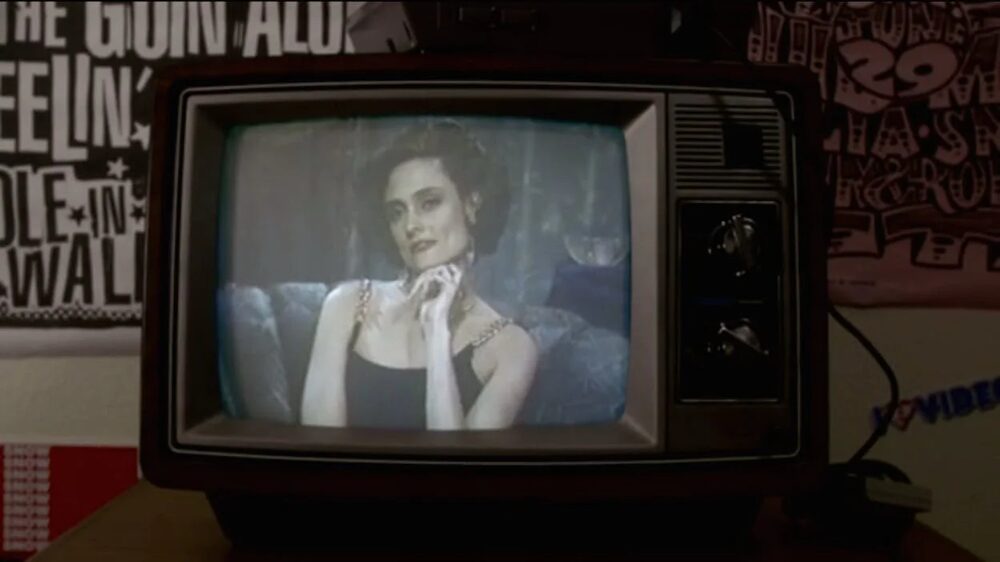
This weekend, I’ve gotten the privilege to attend the Atlanta film festival to review films through the press outlet, covering the festival’s ranges of selection highlighting independent and underseen films in the community. For today, one of the gems I found was the documentary feature film When We Were Live, covering lost media from 80s public access television in Austin Texas. Directed and crafted by John Spottswood Moore, the film is a mix of archival footage and interviews with the people who took part of the local broadcasting style of public access TV. For those who don’t know, public access television is essentially an unfiltered style of local broadcasting, where standard residents of the town can go to start their own television broadcasted show without the standard layers of approval from commercial companies. It’s essentially a communal space where everyone who wants to be a someone goes on and shares whatever personal creative endeavor or impactful message they’ve always felt the desire to get out there to the public but have never had the platform to do so.
The film is filled with all types of events and shows made and broadcasted on the public access network, like a show highlighting the vibrant fashion and style of the gay community, a call-in show where locals can chime in and ask the host for life advice, or even on the ground coverage highlighting the prominence of the Ku Klux Klan in Austin and the oppression protestors faced, if we want to take matters into more darker hands. One of the most fascinating parts about the doc is the context surrounding the time majority of it takes place, the context being the 80s, where freedom from censorship and freedom to gain visibility was limited. In a past world where social media was void of existence, the only outlet for content was nationally or locally broadcasted TV programs, mjuch of which had many barriers to work your way through in order to be on that platform. The barrier at hand: censorship, where corporately owned TV news broadcasts had the power to censor and hide certain matters from the public for their own personal bias, or carefully curarate a program that only allows the top echelon group of people with media experience or immense talent to work for in order to fit their “picture perfect” image.
Public access television however, is different, giving a platform to all and any who have trouble finding their way to a larger space where they can be heard. There’s no certain criteria to be on the broadcast but a few things, that being having a genuine passion for what you do or the story you want to tell. The collection of old archival clips serves as a melting pot of the outsiders within Austin, Texas, and the demographics that typically get overlooked by mainstream media. With the broadcast’s bare approach to what is shown on it, A plethora of expression is let loose for people surpessed and a leigon of issues within the community are exposed out to the public that otherwise would be remain hidden by the media. There’s such a vast range of people, identities and groups on display within the space, which is ultimately a testament to the limitless nature of the life and community we have around us. There’s so many vibrant personalities and people who have important stories to tell, and if we just look around and give those people a space to express that, so many new avenues for knowledge and empathy would come as a result, which is what the idea of bringing light to this archival footage and phenomenon of public access is a testament to.
With the array of so much footage being dug for this film, the edit and narrative cohesion of it is equally as masterful as slightly messy. The rythm of the edit and structure has a sort of fast beat to it, zipping from one story to another with each few minutes or so. That style allows for quite the package of much information spread and insight gained from so many different clips packaged into one narrative throughout the documentary. Despite that, I can’t help but feel the edit feels a bit stuffed, putting more eggs in its basket than an audience can handle. The zip back from each story to another leaves a lot to be desired at times, with only getting to know small bits about each person’s life and meaning in public access at a time before quickly jumping back to a previous story. Sometimes these overwhelming amount of info packed into one can feel like too much to be able to spare time for more context on each story, leaving resonance with the overall subject slightly resrved for only a broader sense if you’re going in blind with no additional info on public access. Through and through however, When We Were Live is a fascinating and liberating experience, exploring themes of media that still hold relevant to our time today and exploring people hidden beneath the crevices of society, needed to be heard in a world full of concealing true authenticity.